


Understanding the Internet of Things
The Internet of Things, or IoT, refers to the vast network of physical devices embedded with sensors, software, and other technologies that connect and exchange data with other devices and systems over the internet. These devices range from common household items to sophisticated industrial tools. By connecting these everyday objects, we can gather information, analyze it, and create actions to help individuals, businesses, and society as a whole.
Practical Uses of IoT
IoT technology is already integrated into many aspects of our daily lives and business operations. Here are a few examples of IoT in action:
Smart Buildings: Devices like thermostats, lighting systems, and security cameras can be controlled remotely. They learn usage patterns to automatically adjust settings, saving energy and increasing convenience.
Healthcare: Wearable devices, such as fitness trackers and smartwatches, monitor vital signs like heart rate and activity levels. This data can be shared with doctors for remote patient monitoring and to provide more personalized care.
Agriculture: Farmers use IoT sensors to monitor soil moisture, crop health, and weather conditions. This information helps them optimize irrigation, use fertilizer more effectively, and increase crop yields.
Manufacturing: In factories, IoT sensors on machinery can predict when maintenance is needed, preventing costly breakdowns. This process, known as predictive maintenance, helps streamline operations and reduce downtime.
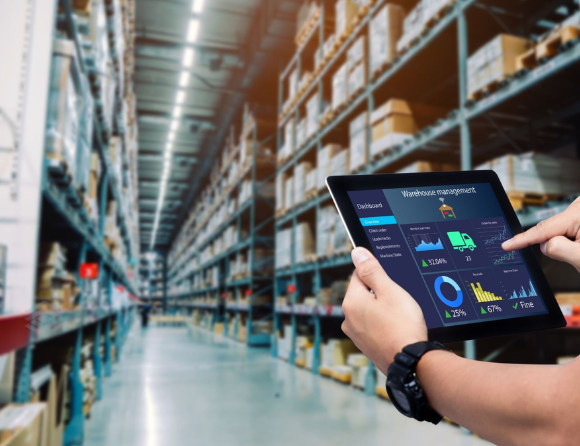
Inventory Management: Businesses use IoT tags and sensors to track inventory levels in real time, automate reordering, and minimize losses from theft or misplacement.
Smart Cities: IoT is used to manage traffic flow, monitor air quality, and make public transportation more efficient. Smart streetlights can dim when no one is around to save energy, and connected waste bins can signal when they need to be emptied.
Benefits of IoT
- Improved efficiency and productivity
- Better use of resources & assets
- Enhanced security through real-time monitoring and alerts
- Greater automation
- Access to rich data for smarter, more informed decision-making
- New opportunities for innovation and the creation of new business models
- More personalized experiences and services tailored to individual needs
- Proactive maintenance of equipment, reducing downtime and extending lifespan
Have Questions? We have answers
Schedule a consultation with one of our expert consultants now!